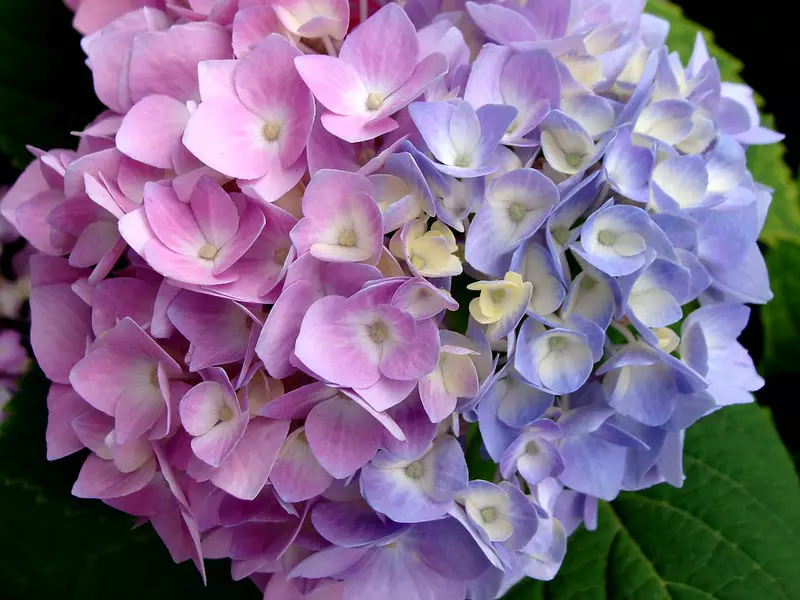
Hydrangea Colour Manipulation Techniques
Learn how to manipulate hydrangea flower colours through soil pH adjustments, aluminium availability, and proper fertilisation techniques.
Read MoreFOLLOW US:


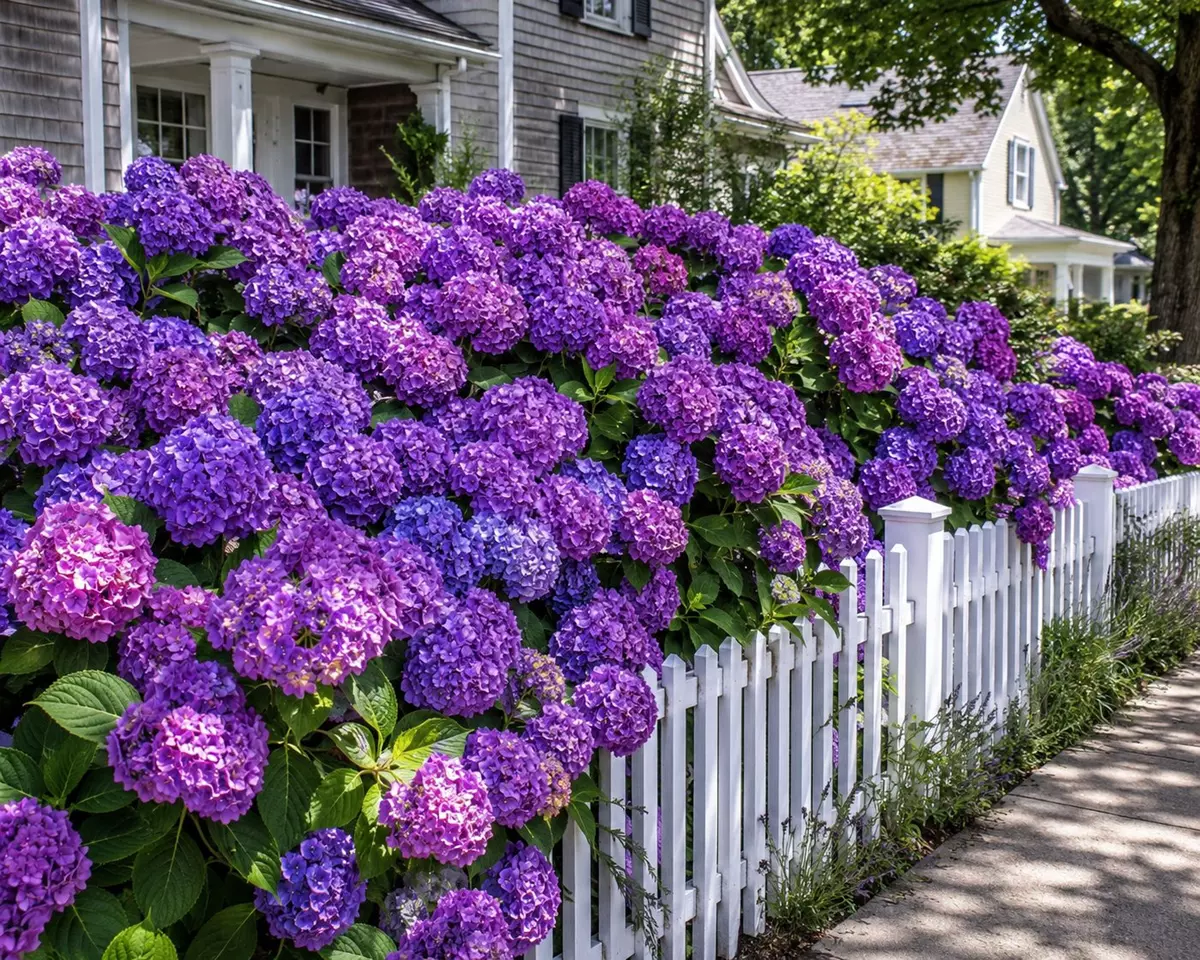
Purple hydrangeas are usually seen in bigleaf hydrangeas (Hydrangea macrophylla) and some mountain hydrangeas (Hydrangea serrata). These are the famous colour-changing hydrangeas. Their flowers can move between pink, lavender, purple and blue depending on the plant's genetics and the chemistry of the soil around its roots.
The colour comes from natural plant pigments called anthocyanins. These pigments can appear red, pink, purple or blue depending on the chemical environment in the plant tissue. In hydrangeas, one of the most important factors is whether the plant can take up aluminium from the soil. Aluminium availability is strongly influenced by soil pH.
In simple terms, many bigleaf hydrangeas behave like this:
That middle zone is what many gardeners are chasing. Purple is often the colour of transition: not fully pink, not fully blue, but somewhere between the two. This is why one plant may show pink, lavender, blue and purple tones all at once, especially during a season when soil moisture, temperature and nutrient availability are changing.
One of the most common disappointments is this: a gardener works hard to adjust the soil, adds acidifying products, waits patiently, and still never gets purple flowers. Often the reason is simple. The hydrangea variety itself may not be capable of producing that colour.
Panicle hydrangeas (Hydrangea paniculata) and smooth hydrangeas (Hydrangea arborescens) do not change from pink to blue or purple in the same pH-sensitive way as bigleaf hydrangeas. Their flowers may age from white to green, blush pink, rose, burgundy or antique tones, but adding aluminium sulfate will not turn a classic white panicle hydrangea into a blue or purple mophead.
If your goal is deep purple, start by identifying your hydrangea. Look for large rounded mophead blooms or lacecap flowers on a bigleaf hydrangea, or the more delicate flowers of a mountain hydrangea. Then look at the cultivar. Some varieties are naturally more willing to move into purple shades, while others stay strongly pink or strongly blue depending on their genetic background.
This is why two hydrangeas planted side by side can behave differently even in the same garden. One may become blue, another may become purple, and a third may remain pinkish. The soil matters, but the plant's genetics decide what is possible.
Gardeners often hear that acidic soil turns hydrangeas blue and alkaline soil turns them pink. That is a useful starting point, but it is not the whole story. The real key is aluminium availability. Acidic soil helps make aluminium more available to the plant. If aluminium is present and accessible, many bigleaf hydrangeas can develop blue or bluish-purple flowers.
University extension guidance commonly recommends soil testing before changing pH, because adding acidifiers without knowing your starting point can create problems. The University of New Hampshire Extension notes that materials such as sulphur or aluminium sulfate may be used to lower pH, but soil testing is the sensible first step. UNH Extension
For purple hydrangeas, you are often trying to avoid extremes. If the soil is too alkaline, the flowers may stay pink. If it becomes very acidic and aluminium is readily available, the flowers may become strongly blue. The most desirable purple often appears when the plant is in between: enough aluminium influence to cool the colour, but not always enough to push every bloom into true blue.
This also explains why hydrangea blooms on the same plant can vary. One flower may be blue, another violet, another pinkish-purple. Roots do not always experience the exact same soil conditions in every direction. Moisture, organic matter, mulch, fertiliser and local pockets of soil chemistry can all create subtle differences.

The most viral gardening conversations often begin with a joke or a family remedy. Purple hydrangeas are no exception. Many gardeners have heard that grape juice, rusty nails, coffee grounds, Epsom salts or iron will magically change hydrangea colour. Some of these ideas contain a tiny seed of truth, but most are unreliable or misunderstood.
This is a joke, not a gardening method. Pouring grape juice into the soil will not safely or reliably turn hydrangea flowers purple. It may attract insects, encourage unwanted microbial activity, create odours, or simply waste a perfectly good drink. Hydrangea colour comes from plant pigments and soil chemistry, not from dyeing the roots with purple liquid.
Rusty nails are one of the oldest hydrangea colour myths. The idea probably comes from the belief that iron or rust changes flower colour. In reality, rusty nails break down very slowly and do not provide a controlled way to adjust soil pH or aluminium availability. They may also create safety hazards in the garden.
Iron can play a role in plant health, and iron sulfate can be used in some soil acidifying situations, but rusty nails are not a precise or recommended method for producing purple hydrangeas. If you want to change soil chemistry, use a soil test and proper garden products at labelled rates.
Epsom salt is magnesium sulfate. It can help correct a magnesium deficiency in some situations, but it is not the same as aluminium sulfate and it does not provide aluminium to hydrangeas. Using Epsom salt without a deficiency may do little for colour and can disturb nutrient balance if overused.
Coffee grounds are often suggested for acid-loving plants, but they are not a quick or predictable way to lower soil pH. Organic matter can improve soil structure over time, but if your soil pH is the real issue, a soil test and a proper amendment will give you far better information than sprinkling coffee grounds and hoping for purple flowers.
Aluminium influence often pushes bigleaf hydrangeas towards blue. Purple usually appears when the effect is partial, mixed or moderated by the plant's genetics and soil conditions. Too much aluminium influence may make blooms blue rather than purple, and too much of any soil amendment can stress roots. More is not always better.
Many gardeners notice that their hydrangeas begin the season with intense colour and then fade. Deep purple flowers may soften to lavender, dusty mauve, antique green, blue-grey or papery pink. This is usually normal. Hydrangea blooms are not static. They age, react to sunlight, heat, moisture and seasonal changes.
Strong sun and high temperatures can fade hydrangea colour faster, especially in hot climates. A plant that looks spectacular in the Pacific Northwest, New England or a mild coastal garden may struggle to keep the same depth of colour in a hotter inland or Southern California garden. Hydrangeas often love bright light, but many bigleaf types appreciate protection from harsh afternoon sun.
Ageing flowers also naturally shift colour. That change is part of their charm. In fact, many gardeners dry hydrangea heads specifically because the faded antique tones are so beautiful. A purple bloom that fades to smoky lavender or greenish plum can still be stunning in the garden and in dried arrangements.
In many online discussions about purple hydrangeas, another question quickly appears: Why did mine stop flowering? A gardener may have had a huge blue or purple hydrangea a few years ago, then suddenly no flowers, or only one small bud.
The answer often involves pruning, winter damage or late frost. Many bigleaf hydrangeas bloom on old wood, meaning the flower buds are formed on stems from the previous season. If those stems are cut back at the wrong time, or if winter cold damages the buds, the plant may grow leaves but produce few or no flowers.
Illinois Extension explains that hydrangea pruning depends on whether the plant blooms on old wood or new wood, and notes that lack of bloom may be related to insufficient sun, early frost or incorrect pruning. Illinois Extension
This is why identifying your hydrangea type matters before pruning. Panicle and smooth hydrangeas usually bloom on new wood and can be pruned in late winter or early spring. Many bigleaf, oakleaf and mountain hydrangeas bloom on old wood and should be pruned, if needed, shortly after flowering. When in doubt, prune lightly and remove only dead, damaged or clearly unwanted stems.

If you want to encourage purple hydrangeas in your own garden, approach the process gradually. The goal is not to force the plant overnight, but to create conditions where purple tones are more likely to appear naturally.
First, confirm that you have a colour-changing type, usually a bigleaf or mountain hydrangea. If you have a panicle hydrangea such as 'Limelight' or a smooth hydrangea such as 'Annabelle', soil pH treatments will not turn it purple.
Some bigleaf hydrangeas are naturally better at producing rich purple shades. If your plant is genetically inclined to strong pink or strong blue, you may only get lavender or mixed tones. That does not mean you failed. It means the plant has its own colour range.
A soil test tells you where you are starting. Without it, you are guessing. Testing is especially important if your hydrangea is near a foundation, driveway, concrete path or heavily limed lawn, because these can influence soil pH.
If your soil is too alkaline for blue or purple tones, you may need to lower pH gradually. Garden sulphur or aluminium sulfate may be used according to local recommendations and product labels. Avoid dumping large amounts around the roots. Hydrangeas are beautiful, but they are still living shrubs, not chemistry experiments.
Hydrangeas need consistent moisture, especially when carrying large blooms. Drought stress can weaken the plant and reduce flower quality. Mulch can help conserve soil moisture and moderate root temperature. Keep mulch a little away from the stems to reduce the risk of rot.
In cooler or coastal climates, hydrangeas may tolerate more sun. In hotter areas, morning sun and afternoon shade often produce better-looking leaves and flowers. Extreme heat can scorch leaves, fade bloom colour and make even a healthy hydrangea look tired.
If your purple hydrangea blooms on old wood, heavy pruning at the wrong time can remove next year's flowers. For many bigleaf hydrangeas, the safest time for shaping is soon after flowering. Avoid cutting the whole shrub to the ground unless you know your variety blooms on new wood or you are prepared to sacrifice a season of flowers.
Hydrangea colour changes may take time. Soil chemistry shifts gradually, and the plant's response can vary from year to year. A young plant may also need time to establish before it produces the huge, fence-spilling display that makes everyone stop and stare.
The most beautiful purple hydrangeas are rarely the result of one quick trick. They usually come from a combination of the right plant, the right place and the right care. The white picket fence may make the colour look even more dramatic, but the real magic is happening in the plant's genetics and the soil around its roots.
So no, grape juice is not the secret. But the joke points to something real: gardeners love the mystery of hydrangea colour. A purple hydrangea feels almost magical because it is never only one thing. It is chemistry, climate, variety, patience and a little bit of garden luck working together.
No. The best candidates are bigleaf hydrangeas and some mountain hydrangeas. Panicle and smooth hydrangeas do not change colour in the same soil-pH-sensitive way.
Acidic soil can help make aluminium available, which often pushes bigleaf hydrangeas towards blue. Purple often appears in a transitional range between pink and blue, depending on the variety and local soil conditions.
It may help some bigleaf hydrangeas move towards blue or blue-purple if used correctly, but it is not guaranteed to produce deep purple. Always follow product labels and avoid overuse.
Rusty nails are not a reliable or recommended way to change hydrangea colour. They do not adjust soil chemistry in a controlled way and can create hazards in the garden.
Fading is often normal as flowers age. Sun, heat, drought stress and seasonal changes can also soften the colour. Many hydrangeas develop beautiful antique shades later in the season.
Common causes include pruning at the wrong time, late frost damage, winter injury, too much shade or a young plant still establishing. If your hydrangea blooms on old wood, cutting back stems can remove flower buds.
Purple hydrangeas are popular because they feel both elegant and mysterious. They look romantic beside a white fence, dramatic in a cottage garden and irresistible in a photo. But behind that beauty is a practical lesson: the best results come from understanding your plant, not chasing every internet trick.
Choose the right hydrangea, test your soil, adjust gently, protect the plant from stress and prune with care. If the genetics and growing conditions are right, your hydrangea may reward you with those unforgettable violet, plum and purple blooms that make every passer-by ask the same question: What is your secret?
Learn how to manipulate hydrangea flower colours through soil pH adjustments, aluminium availability, and proper fertilisation techniques.
Read More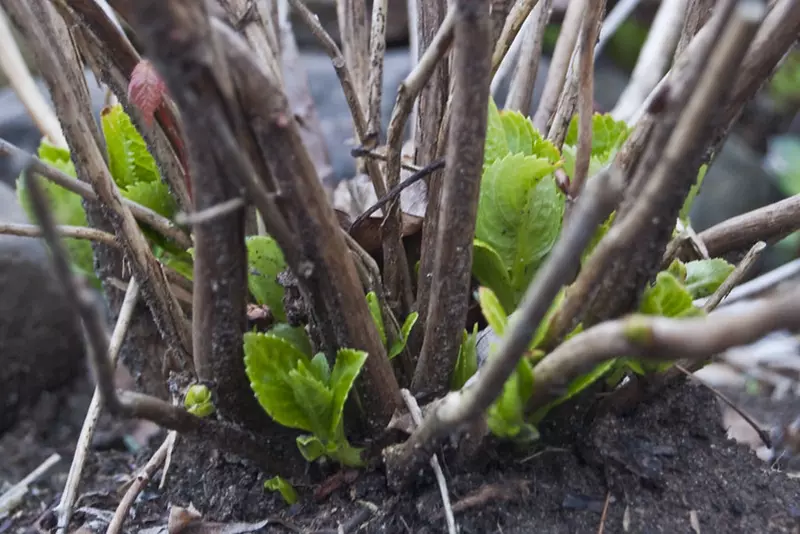
Learn when and how to prune your hydrangeas with our detailed guide, including old wood and new wood pruning tips.
Read More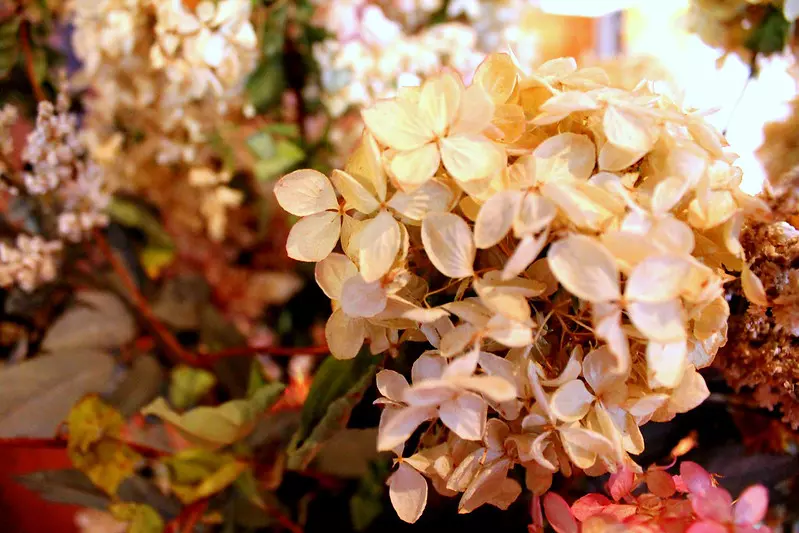
Preserve your favourite hydrangea blooms and enjoy their antique colours long after the growing season has ended.
Read More
Richard Seres-Nagy is a passionate gardener with over 20 years of experience in hydrangea care. He founded Hydrangea Library to share expert advice, step-by-step guides, and practical tips for fellow gardening enthusiasts.
Read More