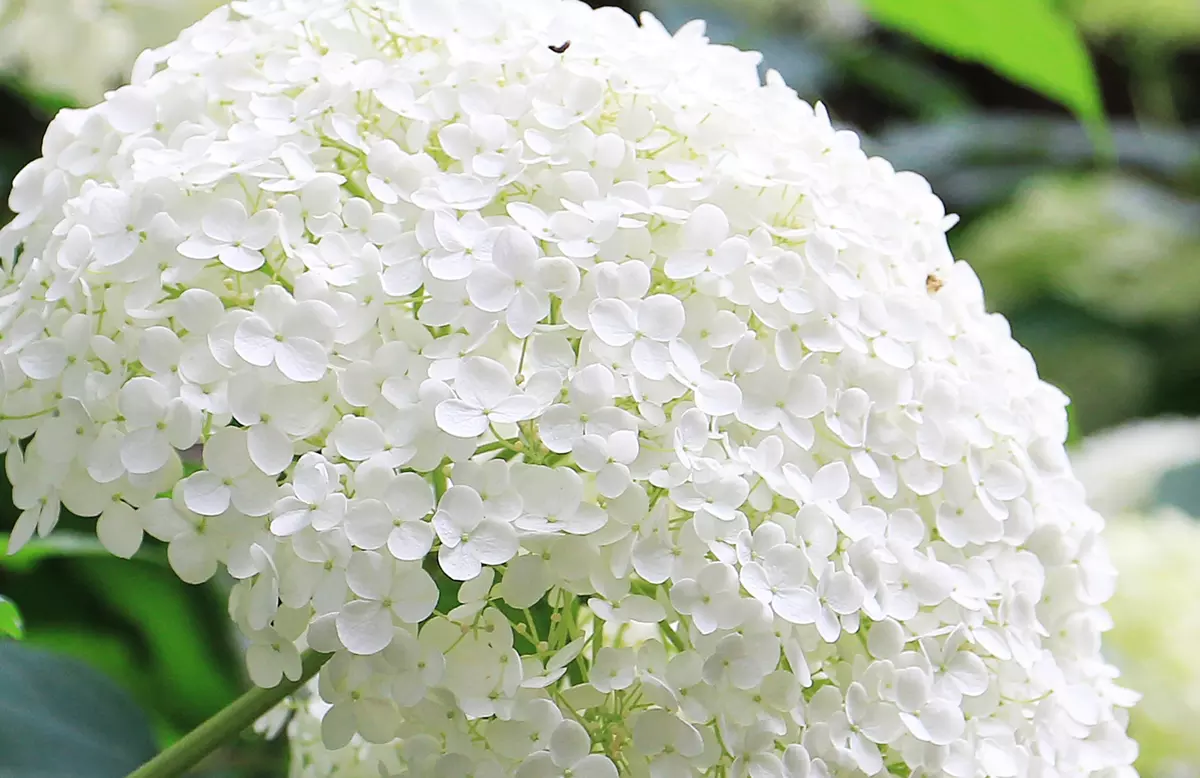
Best Hydrangeas for USDA Hardiness Zone 3 - Cold Hardy Varieties
Find the best hydrangeas for USDA Hardiness Zone 3. Discover cold-hardy varieties that thrive in extreme winter conditions and learn expert care tips.
Read MoreFOLLOW US:


Growing hydrangeas in USDA Hardiness Zone 6 is rewarding, as this climate offers ideal conditions for many species. Follow these easy steps to ensure strong growth, vibrant colour, and reliable flowering year after year.
Gardeners in USDA Hardiness Zone 6 enjoy a long growing season and moderate winters, making it possible to grow nearly all types of hydrangeas with minimal effort. From the hardy Hydrangea paniculata to the colourful H. macrophylla, this zone offers a perfect balance of cold tolerance and summer warmth for lush blooms. In this article, we’ll explore the best hydrangeas for Zone 6, reliable cultivars, and expert-tested care techniques.
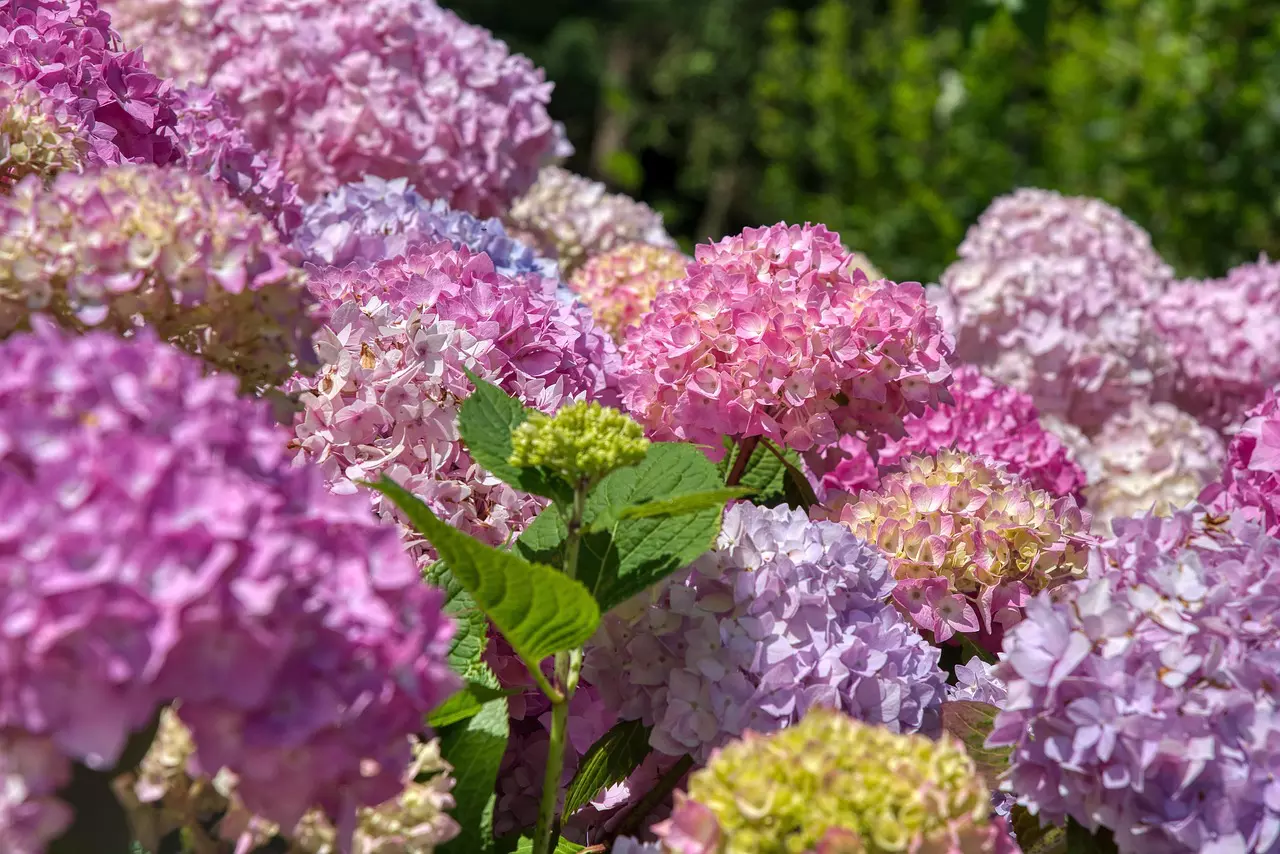
USDA Hardiness Zone 6 offers one of the most balanced climates for growing hydrangeas - cold enough to satisfy their dormancy needs, yet mild enough to avoid prolonged ground freezing. Average winter lows range between −23 °C and −18 °C (−10 °F to 0 °F), with a growing season that typically lasts around 160-190 days. For gardeners, this means a generous window to enjoy a long succession of hydrangea blooms, from the earliest smooth types in June to the richly coloured panicles that persist well into October.
Hydrangeas that bloom on new wood - such as Hydrangea paniculata and Hydrangea arborescens - are naturally well-suited to these conditions, as their flower buds form each spring after winter’s chill has passed. By contrast, old-wood bloomers like H. macrophylla and H. quercifolia rely on buds set the previous summer, making them more vulnerable to late frosts or unseasonal cold snaps. Still, with the right care and a little winter protection, even these tender types can thrive beautifully in Zone 6.
Zone 6 covers wide regions of the Midwest, Northeast, and central United States, as well as parts of the British Isles with comparable maritime moderation. Yet within this broad zone, no two gardens are alike. Microclimates - shaped by elevation, exposure, and soil structure - often define whether a hydrangea blooms reliably or struggles. A sheltered courtyard can mimic the warmth of Zone 7, while a north-facing slope may behave more like a cool Zone 5.
Hydrangeas love moist, well-drained, humus-rich soil - a common characteristic of many Zone 6 gardens. Ideal pH levels range from 5.5 to 7.0, which supports balanced nutrient uptake and vibrant bloom colours. In my own garden here in the English Midlands, the soil tends toward slightly acidic loam, perfect for panicles and smooth hydrangeas. A layer of leaf mould and bark mulch each autumn helps retain moisture and regulates soil temperature through winter, a simple ritual I’ve kept for years after learning how much difference it makes to the next season’s blooms.
During periods of summer drought, Zone 6 gardeners should pay attention to moisture balance: hydrangeas do not like to dry out, yet overly waterlogged soils can suffocate roots. Deep watering once or twice a week - combined with a thick organic mulch - creates the steady conditions these plants adore.
A typical Zone 6 winter arrives gradually, with the first frost in late October or early November and the final one by mid-April. This rhythm allows hydrangeas to enter dormancy naturally and awaken slowly in spring. However, erratic late frosts are becoming more frequent with climate change, a challenge that gardeners increasingly face. I vividly remember one year when an unexpected cold snap in late April nipped every single bud on my beloved Endless Summer hydrangea - a hard lesson that taught me to always have burlap and garden fleece ready. Since then, I’ve adopted the habit of shielding tender stems on chill nights, and my hydrangeas have thanked me with reliable blossoms every summer.
Overall, Zone 6 offers a gardener’s dream climate for hydrangeas - long, balanced seasons, reliable winter dormancy, and a forgiving temperature range that allows experimentation with nearly every species. With a touch of observation and seasonal care, you can enjoy lush, colourful blooms that reflect the heart of this temperate zone’s charm.
USDA Zone 6 sits in a horticultural sweet spot for hydrangeas. Winters are cold enough to trigger a proper period of dormancy, yet generally mild enough to avoid prolonged root and stem damage. This balance underpins the reliable performance of many cold-hardy hydrangeas, especially those that flower on new wood (notably Hydrangea paniculata and H. arborescens). With thoughtful species selection, a sensible Zone 6 pruning schedule, and light winter protection where exposure demands it, gardeners can enjoy abundant flowers and tidy foliage from early summer well into autumn.
Many Zone 6 gardens naturally offer the loamy, moisture-retentive, slightly acidic to neutral conditions hydrangeas prefer. Regular mulching with composted bark or leaf mould evens out moisture, suppresses weeds, and buffers freeze-thaw cycles. Where clay is heavy, incorporate coarse organic matter or plant on shallow berms to improve drainage without sacrificing the steady moisture these shrubs enjoy. Match exposure to type: panicles accept the most sun; bigleaf and mountain perform best with morning sun and afternoon shade; smooth hydrangeas appreciate bright shade with consistent moisture.
Expert tip: In exposed Zone 6 sites, combine a 5-8 cm organic mulch with a simple, breathable wind screen (e.g. burlap) on the windward side of old-wood hydrangeas from late winter to early spring. This low-cost shield often makes the difference between sporadic and reliable bloom, especially after see-saw temperatures.
Zone 6 gardeners are fortunate to enjoy the widest possible range of hydrangea species. The region’s balance of winter chill and mild summers allows both cold-hardy new-wood bloomers and decorative old-wood species to flourish with minimal intervention. Below are the five most reliable and rewarding hydrangea types for Zone 6, each offering its own structure, bloom style, and seasonal appeal.
Hardy to Zone 3, panicle hydrangeas are the most reliable bloomers in cold climates and the cornerstone of any northern garden. They thrive in full sun to light shade and flower on new wood, meaning late frosts have little effect on flowering. Their large, upright panicles open creamy white, gradually flushing to shades of pink, blush, or even burgundy as the season matures. Notable cultivars such as ‘Limelight’, ‘Pinky Winky’, ‘Quick Fire’, and ‘Fire Light’ combine structural elegance with long-lasting colour. Panicles are also more tolerant of urban heat, wind, and direct sunlight than other species, making them exceptionally versatile for mixed borders and hedging.
Native to eastern North America and thriving in Zones 3-9, the smooth hydrangea is a true cold-climate champion. Its strength lies in its ability to flower reliably on new wood each year, even after hard pruning or winter dieback. The classic ‘Annabelle’ remains a favourite for its enormous globe-shaped blooms, while ‘Incrediball®’ and ‘Invincibelle® Spirit’ have improved stem strength and longer bloom duration. Smooth hydrangeas prefer bright partial shade and consistent soil moisture, making them ideal understorey shrubs for woodland edges and shaded foundations.
Oakleaf hydrangeas are cherished for their four-season appeal. In spring and summer they bear elongated conical blooms, which age gracefully from white to soft pink. Autumn brings deep crimson and bronze foliage, and in winter the peeling cinnamon bark adds texture and visual warmth. While hardy to Zone 5, they flower on old wood, so protecting buds from winter winds and avoiding late pruning is essential in exposed Zone 6 gardens. Oakleaf hydrangeas prefer partial shade and well-drained soil enriched with organic matter.
Known for their blue, pink, and violet mopheads and lacecaps, bigleaf hydrangeas bring a touch of the Mediterranean to the temperate garden. They are less cold-hardy than panicle or smooth species, but Zone 6’s mild winters and long summers make success achievable—especially with modern reblooming cultivars that flower on both old and new wood. The Endless Summer® and Let’s Dance® series are reliable options, delivering multiple flushes of colour throughout the season. Soil pH influences petal colour: acidic soils produce blue tones, while alkaline soils yield pink blooms.
The mountain hydrangea offers refined beauty and dependable hardiness, being slightly more cold-tolerant than H. macrophylla. Compact and naturally mounded, it produces lacecap-style flowers with delicate bracts that shift from soft blue to rose pink depending on soil acidity. Ideal for smaller gardens, raised beds, and sheltered courtyards, it prefers morning sun and light afternoon shade. Modern introductions such as the Tuff Stuff® series and ‘Bluebird’ have been specifically bred for cold regions, ensuring reliable reblooming performance in Zone 6.
Together, these five species provide a palette of possibilities for Zone 6 gardeners—from the bold, sun-loving panicles to the shade-tolerant smooth and mountain hydrangeas. With proper siting and care, you can enjoy an extended symphony of blooms, colour, and texture that lasts from spring to frost.
Within the diverse range of hydrangeas suitable for Zone 6, certain cultivars have proven exceptional for their reliability, structural strength, bloom quality, and adaptability. These selections represent decades of breeding from renowned horticultural programmes in the United States, the United Kingdom, and continental Europe. Whether you seek compact forms for smaller gardens or statement shrubs for mixed borders, the following cultivars consistently deliver beauty and performance across varying soil types and weather patterns.
A modern classic introduced by Proven Winners, ‘Limelight’ remains one of the most celebrated panicle hydrangeas for temperate climates. Its large, conical flower clusters emerge chartreuse-green, turning creamy white and finally deep pink as autumn approaches. Hardy to Zone 3, it thrives in full sun and well-drained soil, and it tolerates a surprising degree of drought once established. The shrub’s upright habit (reaching up to 2.5 m) makes it ideal for specimen planting or informal hedging. It also performs well in cut-flower arrangements, holding its colour beautifully when dried.
For gardeners with smaller spaces, ‘Bobo’ offers the same floral abundance as larger panicle types in a compact form under 1 m tall. Its blooms start pure white in midsummer and gradually blush pink as the season progresses. Despite its size, it is extremely cold-hardy (Zone 3) and continues flowering even in less-than-ideal summers. Perfect for containers, borders, or foundation plantings, it’s one of the easiest hydrangeas to maintain and a great choice for beginners seeking reliable results.
Introduced in the 1960s and still a top performer, ‘Annabelle’ defines the smooth hydrangea category. Its enormous white mophead blooms—sometimes up to 25 cm across—appear on new wood, ensuring a dependable show even after severe winters or pruning. ‘Annabelle’ prefers partial shade and moist, fertile soil, though it adapts well to a range of conditions. When grouped in mass plantings, it creates an ethereal summer display reminiscent of snowdrifts under dappled light.
A direct improvement of ‘Annabelle’, ‘Incrediball®’ was bred for stronger stems and improved flower longevity. Its spherical white blooms can reach impressive diameters without drooping, even after heavy rain. This cultivar extends the bloom period by several weeks and tolerates full sun better than the original. It’s equally effective in naturalistic borders, pollinator gardens, and formal landscapes. Its structural sturdiness and repeat-blooming capability have made it one of the most recommended hydrangeas for Zone 6 gardens.
‘BloomStruck’ belongs to the celebrated Endless Summer® series, bred for continuous flowering on both old and new wood. This makes it ideal for climates like Zone 6, where winter dieback can occasionally affect early buds. Its large mopheads open deep pink in neutral to alkaline soil and brilliant cobalt blue in acidic conditions. The reddish-purple stems provide contrast, while the foliage stays rich green through the growing season. With proper feeding and consistent moisture, ‘BloomStruck’ rewards gardeners with successive waves of flowers until frost.
A refined mountain hydrangea bred specifically for cold-hardiness and reblooming strength, ‘Tuff Stuff Ah-Ha®’ offers delicate semi-double lacecap blooms that shift from pale blue to rose depending on soil pH. Compact (around 90 cm tall) and densely branched, it’s perfect for smaller gardens, raised beds, and containers. It’s hardy to Zone 5 and remarkably resistant to late spring frosts, ensuring reliable flowering even after temperature fluctuations.
Among the oakleaf hydrangeas, ‘Gatsby Moon’ stands out for its layered, densely packed white panicles that resemble ruffled rosettes. As the blooms age, they develop subtle lime-green and parchment tones, providing texture and depth throughout the season. The autumn foliage glows in shades of scarlet and mahogany, while winter reveals its cinnamon-brown exfoliating bark. This cultivar thrives in partial shade, where the soil stays evenly moist but well-drained. A true four-season performer, it brings elegance and structural interest to any landscape.
Each of these cultivars has proven its resilience and ornamental value through decades of cultivation in both North America and the United Kingdom. Their combined versatility ensures that Zone 6 gardeners can create landscapes that remain visually engaging from late spring to the first frost, blending colour, texture, and form in every corner of the garden.
Panicle hydrangeas (Hydrangea paniculata) are the most cold-hardy, thriving even in exposed, sunny areas. Their buds form on new wood, making them resistant to winter damage and dependable bloomers year after year.
Yes, but they need winter protection. Bigleaf hydrangeas (H. macrophylla) may lose flower buds in harsh winters. Choose reblooming varieties and cover stems with mulch or burlap during cold snaps to ensure consistent flowering.
Panicle hydrangeas tolerate full sun, but most others—including smooth, oakleaf, and bigleaf types—prefer morning sun and afternoon shade to prevent leaf scorch and dehydration during hot spells.
Maintain acidic soil (pH 5.0-5.5) and apply aluminium sulphate or hydrangea colourant. In alkaline soils (pH above 7), blooms naturally shift toward pink tones.
Yes, if the clay is well-drained and enriched with compost or leaf mould. Avoid waterlogged areas—hydrangeas like moisture, not standing water.
Deep watering twice a week is usually sufficient. Hydrangeas prefer consistent soil moisture—mulching helps regulate evaporation and prevent wilting.
Yes, but sparingly. Apply a balanced slow-release fertiliser in spring and again in midsummer. Over-fertilising encourages leafy growth at the expense of blooms.
New-wood bloomers (panicle and smooth) can be pruned in late winter or early spring. Old-wood types (bigleaf, mountain, and oakleaf) should be pruned immediately after flowering.
Yes—especially lacecap and panicle hydrangeas, which attract bees, butterflies, and hoverflies. Mophead forms are less beneficial due to their sterile florets.
Absolutely. Use large containers with good drainage and a rich, moisture-retentive mix. Move pots to a sheltered area during winter to protect the root ball from freezing.
Always water in the morning. This allows foliage to dry by nightfall, preventing fungal diseases like powdery mildew.
Yellowing may indicate nutrient deficiency (particularly iron or nitrogen) or overwatering. Check soil drainage and feed with a gentle, iron-rich fertiliser.
The most common causes are incorrect pruning or winter bud damage. Protect old-wood hydrangeas from frost and avoid pruning them after late July.
Unfortunately, yes. Oakleaf and smooth hydrangeas are especially vulnerable. Use fencing, repellents, or companion planting with aromatic herbs to deter browsing.
They can, provided the trees are not too competitive for water. Choose smooth or oakleaf types for partial shade beneath open canopies.
Apply a thick mulch (5-8 cm) around the base and cover vulnerable stems with breathable burlap or frost cloth from late autumn until early spring.
Only if the ground is dry and temperatures are above freezing. Evergreen varieties aren’t typical in Zone 6, but keeping roots hydrated helps prevent desiccation in dry winters.
Cut blooms once they start to feel papery. Hang them upside down in a dry, shaded room or place in a vase with a few centimetres of water and let it evaporate naturally.
Only while growing in acidic soil. If your soil’s natural pH is high, colour change will revert once aluminium becomes unavailable. Containers are best for permanent blue blooms.
Hydrangea paniculata ‘Bobo’ or ‘Incrediball®’ are excellent starter choices—both are low-maintenance, hardy, and deliver prolific blooms even with minimal care.
With careful species selection and basic winter protection, Zone 6 gardeners can enjoy hydrangeas of nearly every type. Hardy panicles and smooth varieties ensure reliable blooms, while reblooming bigleaf and mountain hydrangeas add drama and colour. Combine them thoughtfully, provide even moisture and dappled light, and your garden will reward you with spectacular blossoms from June through autumn.
Ready to plant? Start with one or two proven cultivars—‘Limelight’ or ‘Annabelle’—and expand as your confidence grows.
Find the best hydrangeas for USDA Hardiness Zone 3. Discover cold-hardy varieties that thrive in extreme winter conditions and learn expert care tips.
Read More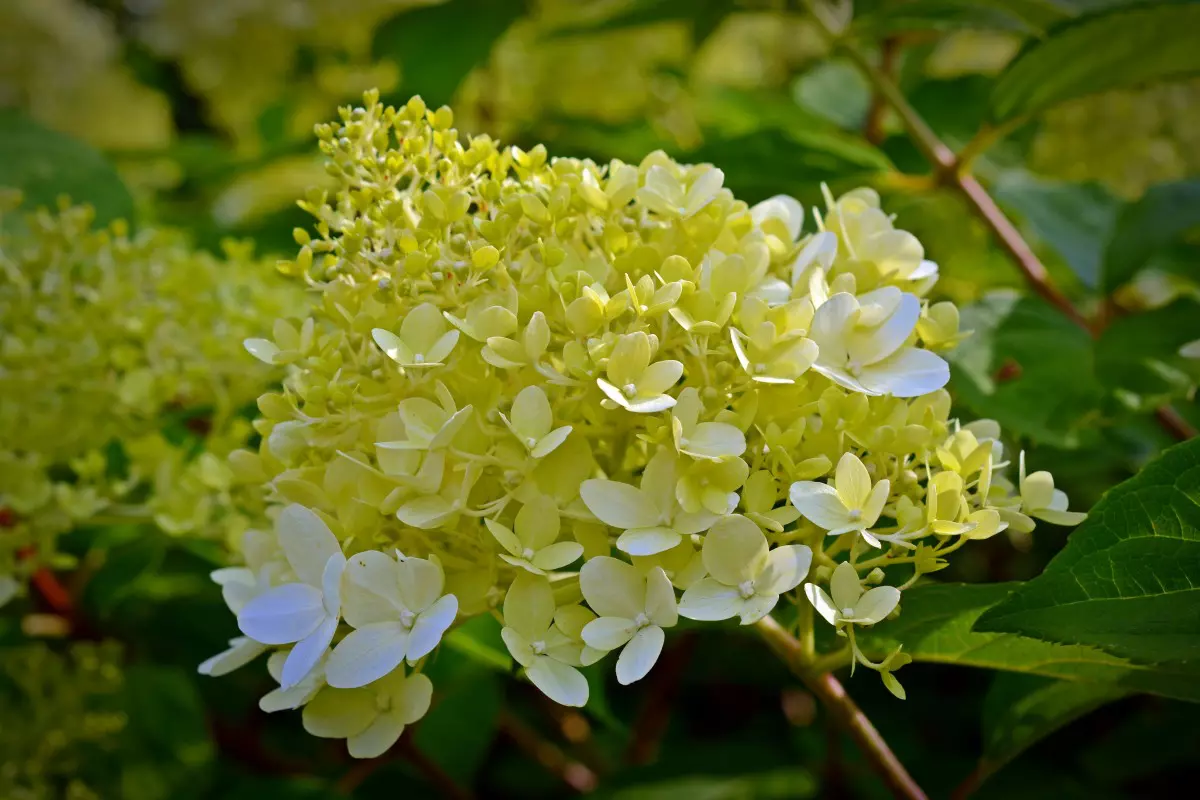
Discover the best hydrangeas for USDA Hardiness Zone 4. Learn which cold-hardy varieties thrive in harsh winters and how to care for them successfully.
Read More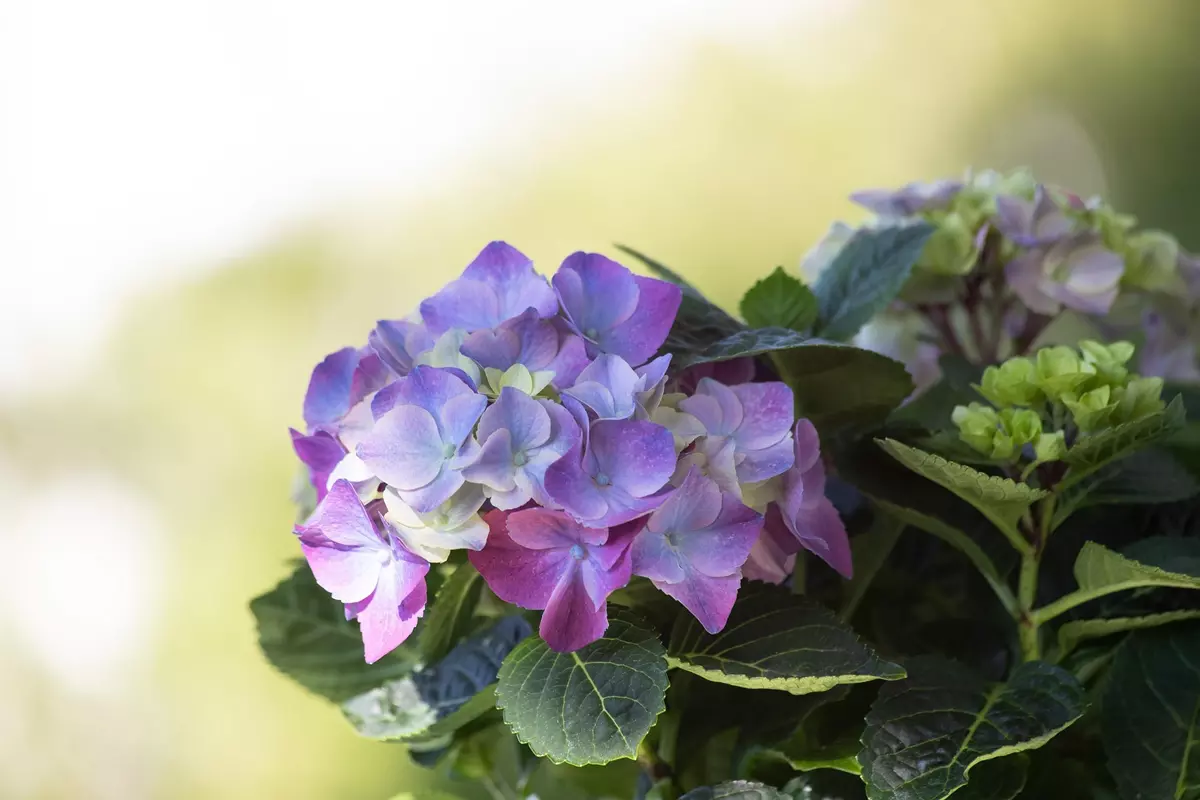
Discover the best hydrangeas for USDA Hardiness Zone 5. Learn which cold-hardy varieties thrive in harsh winters and how to care for them successfully.
Read More
Richard Seres-Nagy is a passionate gardener with over 20 years of experience in hydrangea care. He founded Hydrangea Library to share expert advice, step-by-step guides, and practical tips for fellow gardening enthusiasts.
Read More