
Hydrangea Planting and Care (A Comprehensive Guide)
The complete foundation: location, soil, watering, feeding, pruning, and prevention.
Read MoreFOLLOW US:


Hot weather is one thing. Heat plus humidity is a different challenge - because it can trigger wilting, weak blooms, leaf spot, and powdery mildew, especially when airflow is poor or leaves stay wet for too long.
The good news: you can win this game by doing two things: (1) choosing the right hydrangea type, and (2) using a humidity-smart care routine. This guide gives you the best "safe bets" for hot & humid climates - plus clear disease-resistance notes and practical planting tips.
Start here: If you want the full foundation (site, soil, watering, pruning, feeding), use our pillar guide: Hydrangea Planting and Care (A Comprehensive Guide).
If you only remember one thing, remember this: panicle hydrangeas (Hydrangea paniculata) are usually the easiest win in hot, humid climates. After that, oakleaf (H. quercifolia) and smooth hydrangea (H. arborescens) can also be excellent - especially when you manage moisture and airflow.
Already in tropical-level humidity? Use this companion guide for airflow, fungal prevention, and watering strategy: How to Grow Hydrangeas in Tropical Humidity.
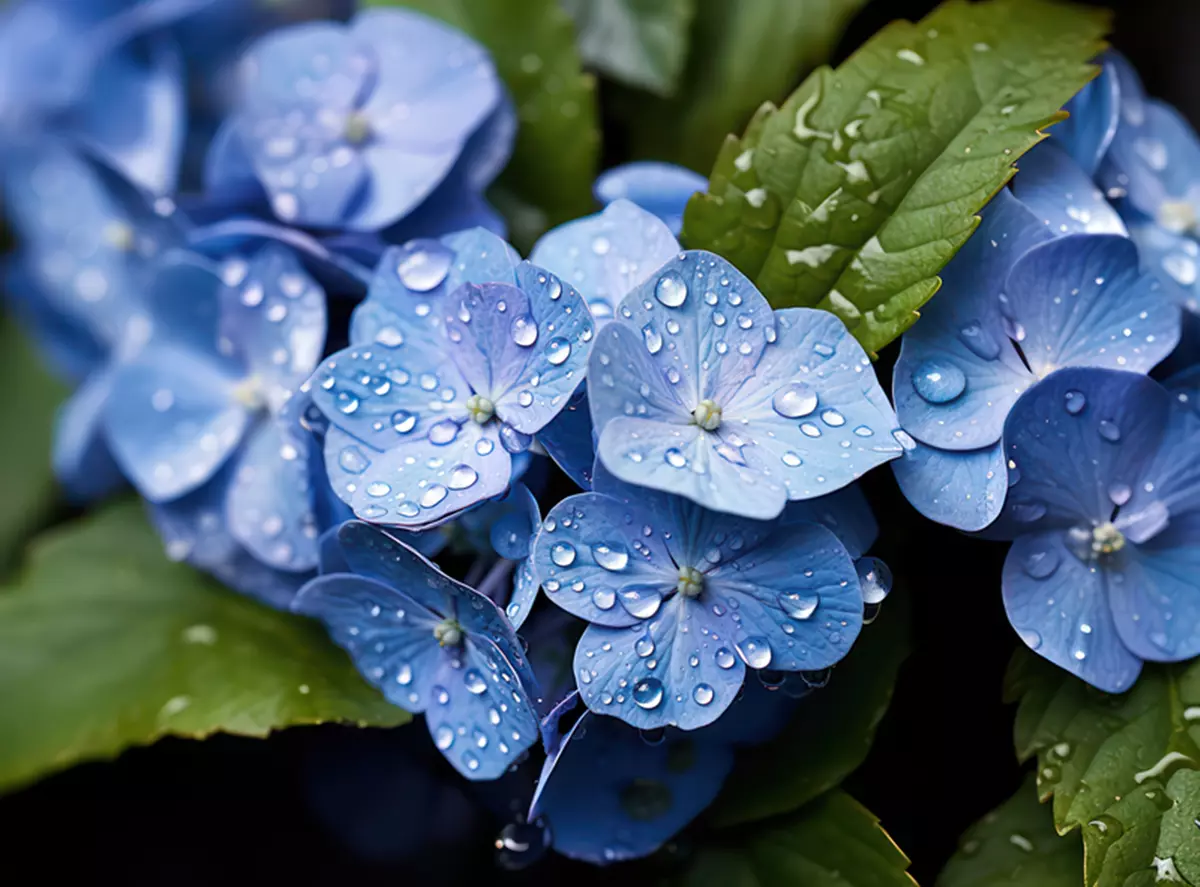
Humidity isn’t automatically "bad" for hydrangeas—many hydrangeas like evenly moist conditions. The problem is what humidity often brings with it: slow-drying leaves, warm nights, dense growth, and fungal pressure.
In practical terms, humidity can mean:
That’s why picking the right type matters: the more resilient the plant structure and bloom habit, the less humidity can "bully" your hydrangeas into constant recovery mode.
If your summers are hot and your air feels heavy, panicles are usually the strongest choice. They often tolerate more sun than bigleaf hydrangeas and tend to keep blooming well when watering is consistent.
Why they work: tougher growth habit, sun tolerance, and generally fewer "humidity spirals" when placed with airflow.
Best placement: morning sun + light afternoon shade, or filtered sun if afternoons are intense. Keep the crown open and avoid cramped corners.
Oakleaf hydrangeas bring both resilience and beauty: strong foliage, great autumn colour, and a more "woodland" vibe. In humid climates they can do very well, especially if you give them room to breathe.
Why they work: sturdy foliage and a growth style that benefits a lot from good spacing.
Best placement: bright shade or morning sun + afternoon shade, with steady moisture (not soggy soil).
Smooth hydrangeas can be fantastic where summers are warm and nights stay humid. They reward you when watering is deep and consistent - especially during peak heat.
Why they work: reliable flowering habit, strong seasonal growth response when cared for correctly.
Best placement: bright shade or morning sun; avoid blazing afternoon sun in very hot regions.
Bigleaf hydrangeas are the "dream blooms" for many gardeners - but in hot, humid climates they’re more sensitive. If you choose them, treat shade and airflow as non-negotiable.
Heat survival tips: If your plants wilt fast or the sun is intense, use: How to Care for Hydrangeas in Hot Climates.
"Disease resistant" doesn’t mean "disease proof." It means the plant is less likely to spiral when conditions get harsh. In hot, humid weather, the most common issues are usually:
Trusted reference (RHS): For cultivar-level notes on common issues like leaf spot and powdery mildew, see the Royal Horticultural Society plant profiles: Hydrangea arborescens 'Annabelle' (RHS) . For general cultivation pointers that match hot/humid placement advice (moist, well-drained soil; sun if reliably moist), see: Hydrangea paniculata (RHS example profile) .
Often shows up as a pale, dusty coating on leaves. It’s encouraged by dense foliage, low airflow, and stress cycles. The fastest fix is not a spray - it’s spacing, airflow, and base watering.
Spots can spread when leaves stay wet, especially with overhead watering. Remove badly infected leaves, keep mulch tidy, and avoid splashing soil onto foliage.
Humid climates often come with summer storms. If soil stays saturated, roots weaken and everything else gets worse. Prioritise well-draining soil and avoid planting in low, soggy pockets.
Soil matters: If you’re fighting soggy roots or pH problems, start here: Best Soil for Growing Healthy Hydrangeas.
In hot and humid climates, placement is half the battle. You want a spot that keeps the plant hydrated— but also lets foliage dry quickly after rain or morning dew.
Stop wilting fast: If blooms droop daily, follow: How to Prevent Hydrangea Flowers from Wilting.
In humidity, the goal is steady moisture without keeping foliage wet. Deep watering in the morning gives roots what they need and reduces overnight leaf wetness. For a full watering playbook, see: Watering Hydrangeas: Best Practices.
Heavy nitrogen can cause soft, dense growth - exactly what mildew loves. In hot spells, ease off and let the plant stay stable. A balanced, slow-release feed in spring is usually enough for most gardens.
Worm castings (vermicompost) and worm compost tea are natural, nutrient-rich inputs for hydrangeas. In our experience, they don’t just support overall vitality - by improving soil biology and steady growth, they can also help plants stay more resilient through stressful periods, which often translates into better flowering over time.
How we do it (our routine): We take about 2-3 litres of worm compost and spread it evenly around the base of the hydrangea. If the plant is mulched, we simply pull the mulch back, sprinkle the castings over the soil surface, then pull the mulch back into place. With worm compost tea it’s even simpler: we water in about 2 litres per shrub. Done once a month, the improvement is often noticeable within a few months (especially in leaf quality and overall vigour).
If you’d like a practical overview of using worm castings (including the idea of making a "tea"), this UC Master Gardener resource is a solid reference: UC ANR - "Got Worms" (vermicompost basics) .
In humid climates, pruning is not just about shape - it’s about drying time. Remove crowded stems and encourage airflow. If you want a species-aware pruning approach, use: Spring Pruning Hydrangeas Guide.
Consistency beats panic fixes. If you want a simple month-by-month checklist, use our: Hydrangea Care Calendar.
In the UK, the best planting windows are spring (March–May) or early autumn (September–October), when the soil is workable and roots can establish before extremes.
Most hydrangeas prefer morning sun and afternoon shade. If you need a simple watering plan for sunnier spots, see Watering Hydrangeas.
Water deeply 2–3 times per week for the first few weeks, then adjust to rainfall and soil type. Consistent moisture matters more than a strict schedule.
A loamy, well-draining soil rich in organic matter is ideal. For detailed soil structure and pH guidance, read Best Soil for Hydrangeas.
In small amounts, used coffee grounds are fine, but they are not a dependable "quick pH hack." Composting them first is safer and more balanced.
Focus on correct pruning for your type, steady watering, and feeding at the right time. A simple year-round checklist helps: Hydrangea Care Calendar.
Common causes include overwatering, poor drainage, nutrient imbalance, or pH-related uptake issues. Start by checking soil moisture and drainage.
Deep watering + mulch + less harsh afternoon sun solves most wilting. If blooms already droop, follow these wilting fixes.
Feed in early spring as growth begins. Some types benefit from a light mid-summer feed, but avoid late-season fertilising that encourages tender growth before winter.
A balanced slow-release fertiliser works well for general care. Avoid overfeeding—too much nitrogen can reduce flowering.
Bigleaf (macrophylla) often blooms on old wood, so prune lightly in spring. Panicle (paniculata) blooms on new wood and can be cut back more. See the full guide: Spring Pruning Hydrangeas.
Yes—choose a large container, keep watering consistent, and protect roots in winter. More tips: Hydrangeas in Pots.
Mulch the root zone, avoid late pruning, and shelter plants from cold winds. Container plants need extra insulation or a protected position.
It’s usually a mix of humidity + poor airflow. Space plants, prune for ventilation, and avoid wetting foliage late in the day.
Sometimes partially, but reliable change takes steady pH management and the right variety. If blue blooms are your goal, start here: Secrets of Blue Hydrangeas.
The complete foundation: location, soil, watering, feeding, pruning, and prevention.
Read More
Practical heat strategies: shade timing, watering rhythm, and stress prevention.
Read More
Airflow, fungal prevention, watering strategy, and humidity-smart routines.
Read More
Richard Seres-Nagy is a passionate gardener with over 20 years of experience in hydrangea care. He founded Hydrangea Library to share expert advice, step-by-step guides, and practical tips for fellow gardening enthusiasts.
Read More